Employee
Self Service
Turning a clunky HR portal into a workplace community platform for 3,500+ employees
Client
PITB (internal)
Role
Principal UX/UI Designer
Team
5–10 people
Platform
Native Mobile App
Timeline
Jan–Mar 2022
The challenge
3,500+ employees relying on a desktop-only HRIS portal with terrible UX. What if we replaced it with something people actually wanted to open every morning?
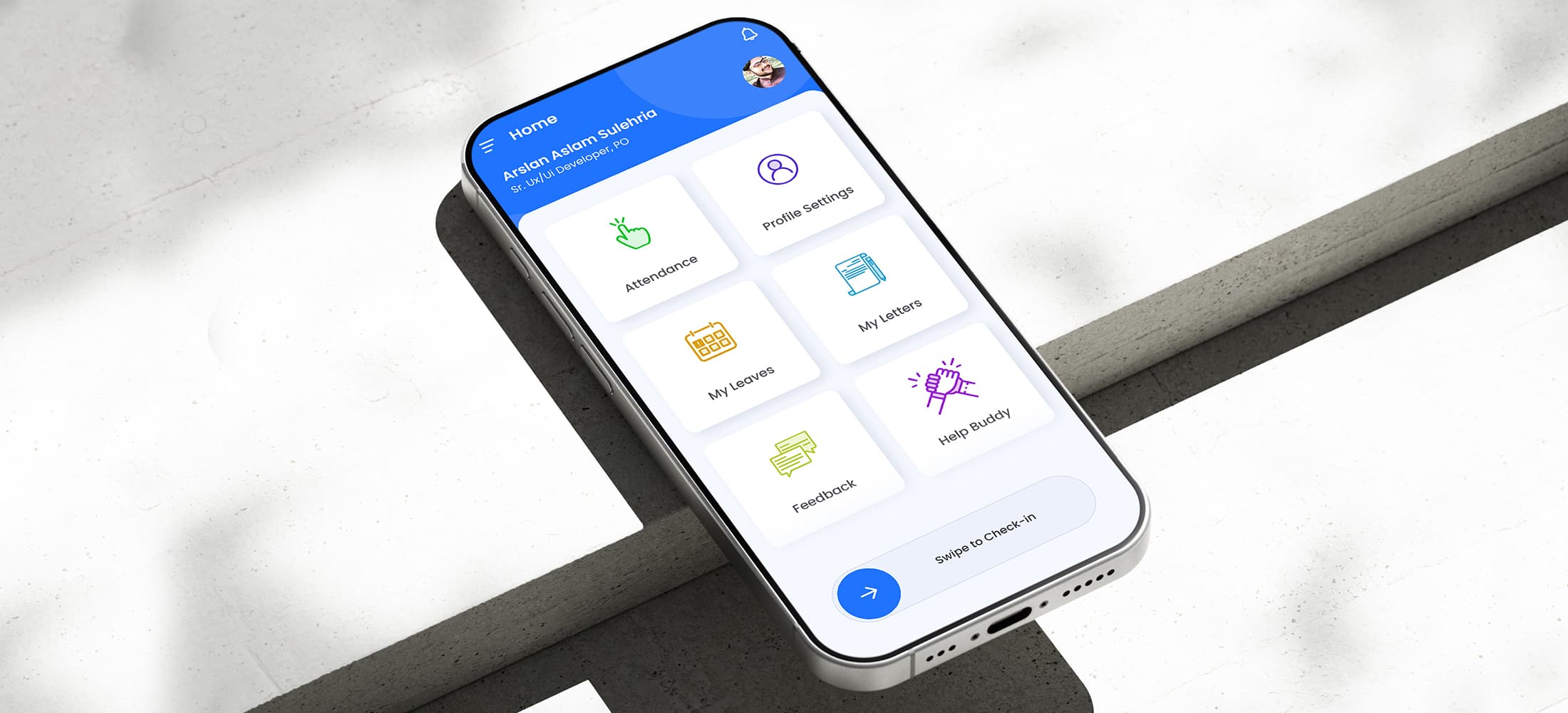
We chose to go beyond the brief. Instead of just building a mobile HR tool, we deliberately designed an employee community platform, handling essential workflows (attendance, leave, tasks, approvals) alongside features that made colleagues’ daily lives better: carpooling, a marketplace, fundraising, blood donor matching, and lost & found. The goal wasn’t just efficiency. It was belonging.
User research
Zohaib Naeem
Software Developer · PITB
Age: Late 20s · Tech: High
Tech-savvy developer who wants workplace tools that match consumer apps. Uses ESS daily for check-ins but stays for the community features.
Goals
• Quick daily check-in without hassle
• Apply for leave without paperwork
• Access HR services on the go
• Find a carpool ride to work
Pain points
• Desktop-only portal, can’t use on phone
• Paper leave forms take days
• No visibility into request status
• No community connection with colleagues
Before
“I build apps for citizens all day. Why is the app I use at work worse than what I build?”
Ahmed Adeel Sarwar
Director HR · PITB
Age: Mid 30s · Tech: Medium
Director HR managing attendance, leave, and resources for 3,500+ employees. Needs real-time visibility and reporting.
Goals
• Approve/reject leave requests efficiently
• Monitor team attendance in real-time
• Generate reports without manual counting
• Track employee performance metrics
Pain points
• Processing paper leave forms manually
• Reports from scattered data sources
• Approvals buried in email chains
• Managing resource escalations
Before
“I spend my mornings chasing attendance data instead of making HR decisions.”
Role-based progressive disclosure: same data, four views
Employee
Personal dashboard, own attendance, leave balance
Supervisor
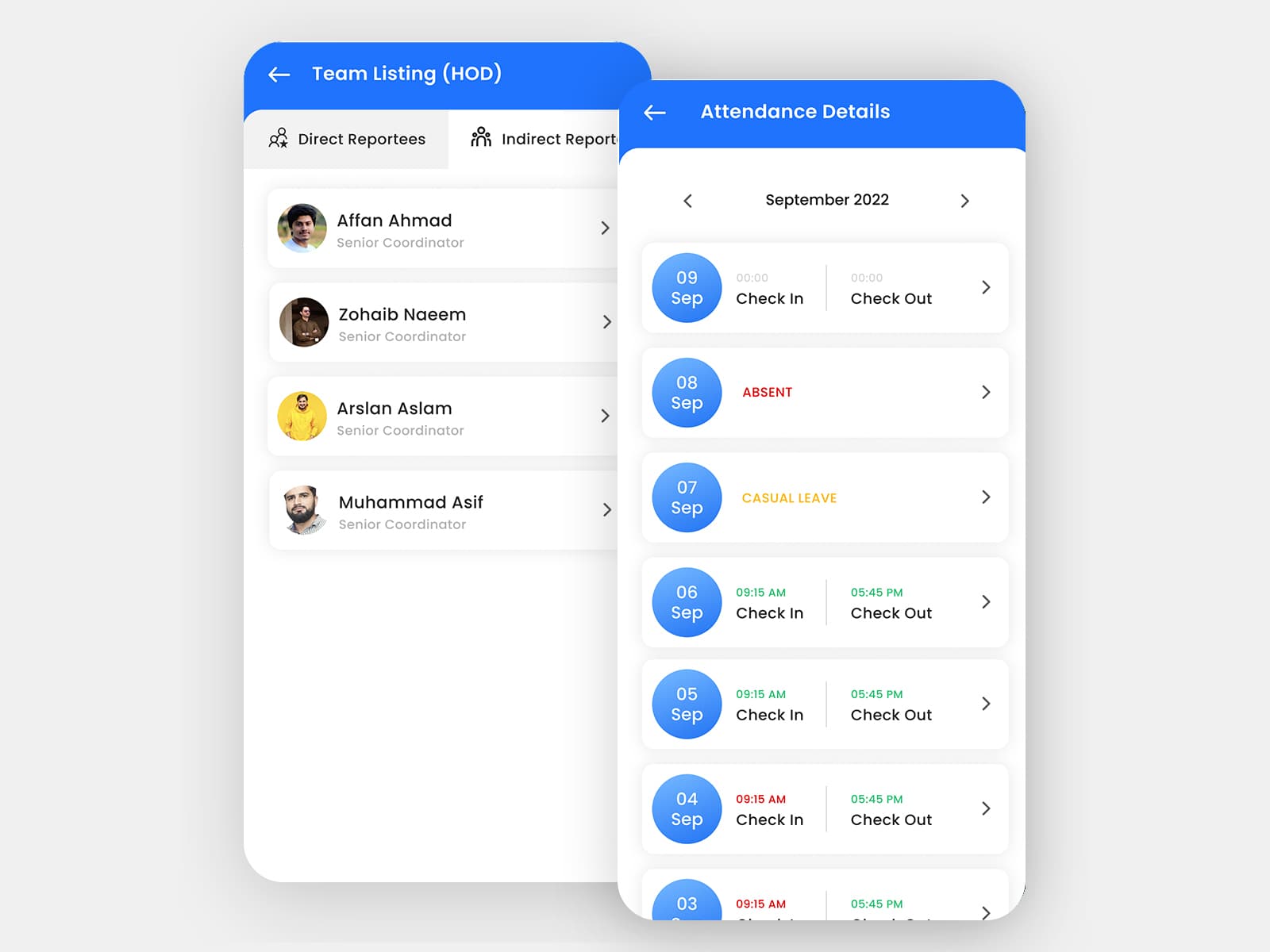
Team view, approve leave, team attendance
HOD
Department patterns, escalations, reports
HR
Org-wide ops, analytics, policy management
Employee daily journey
Morning
Swipe to check-in
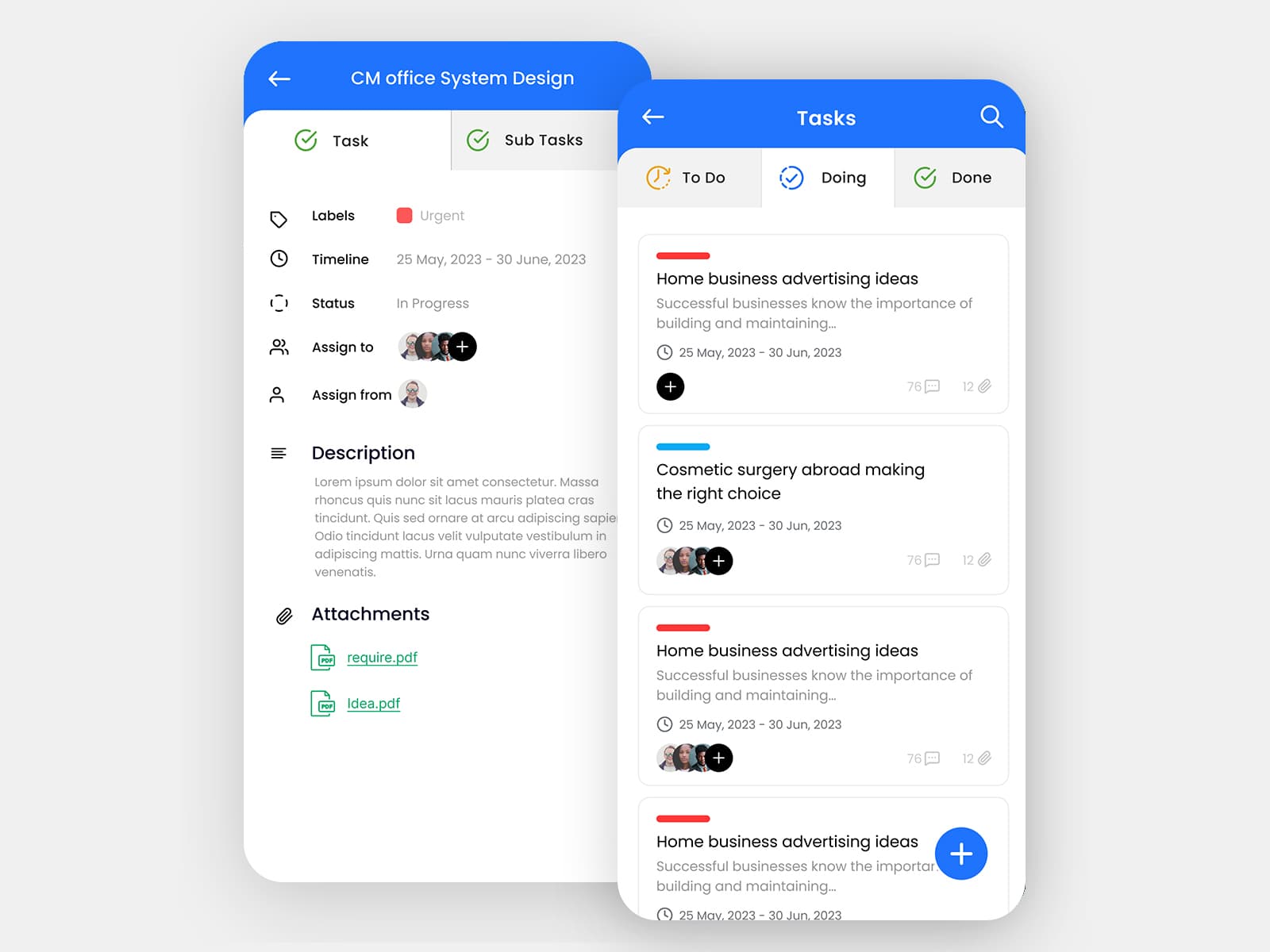
View daily tasks
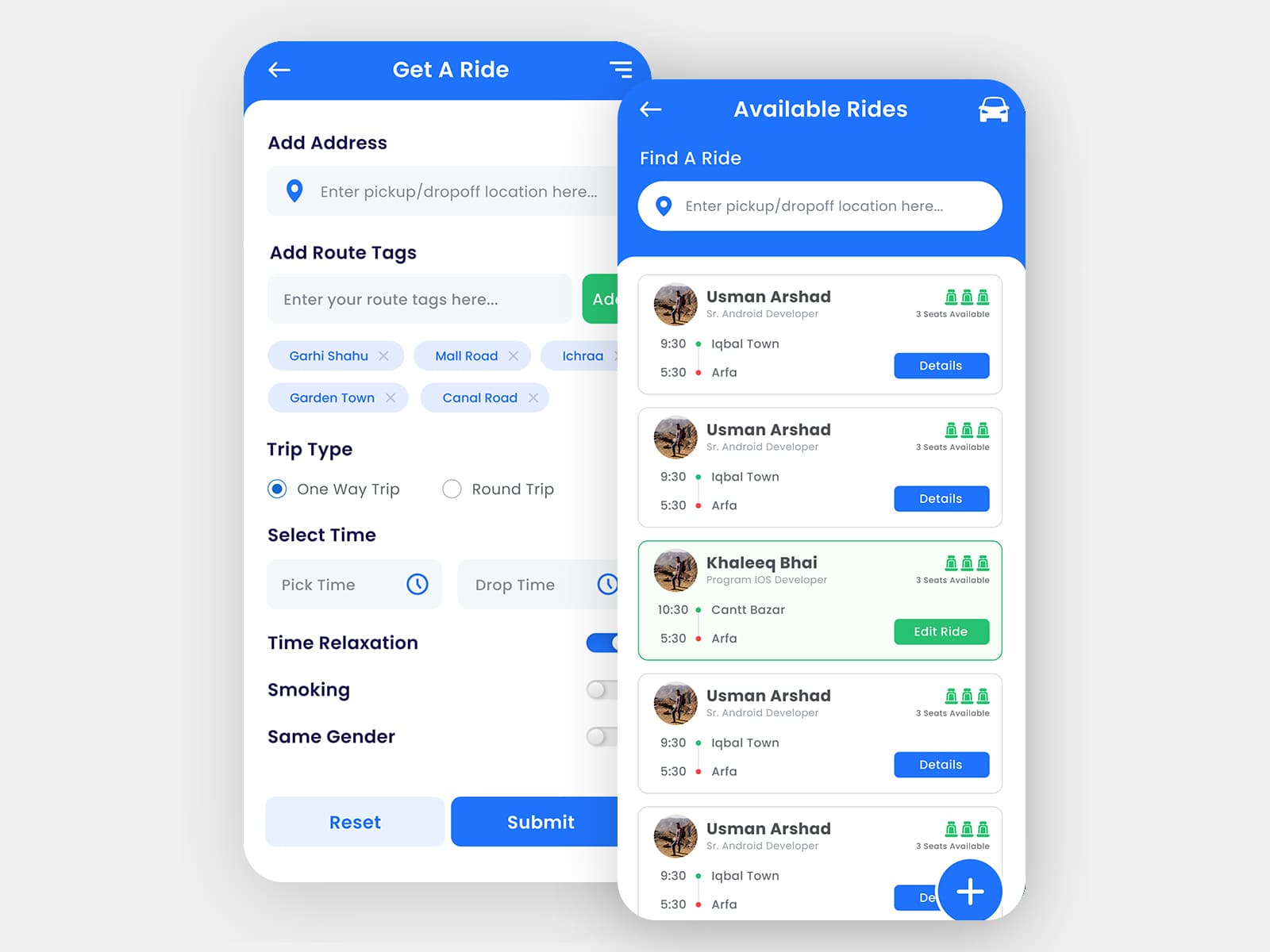
Check carpool rides
Midday
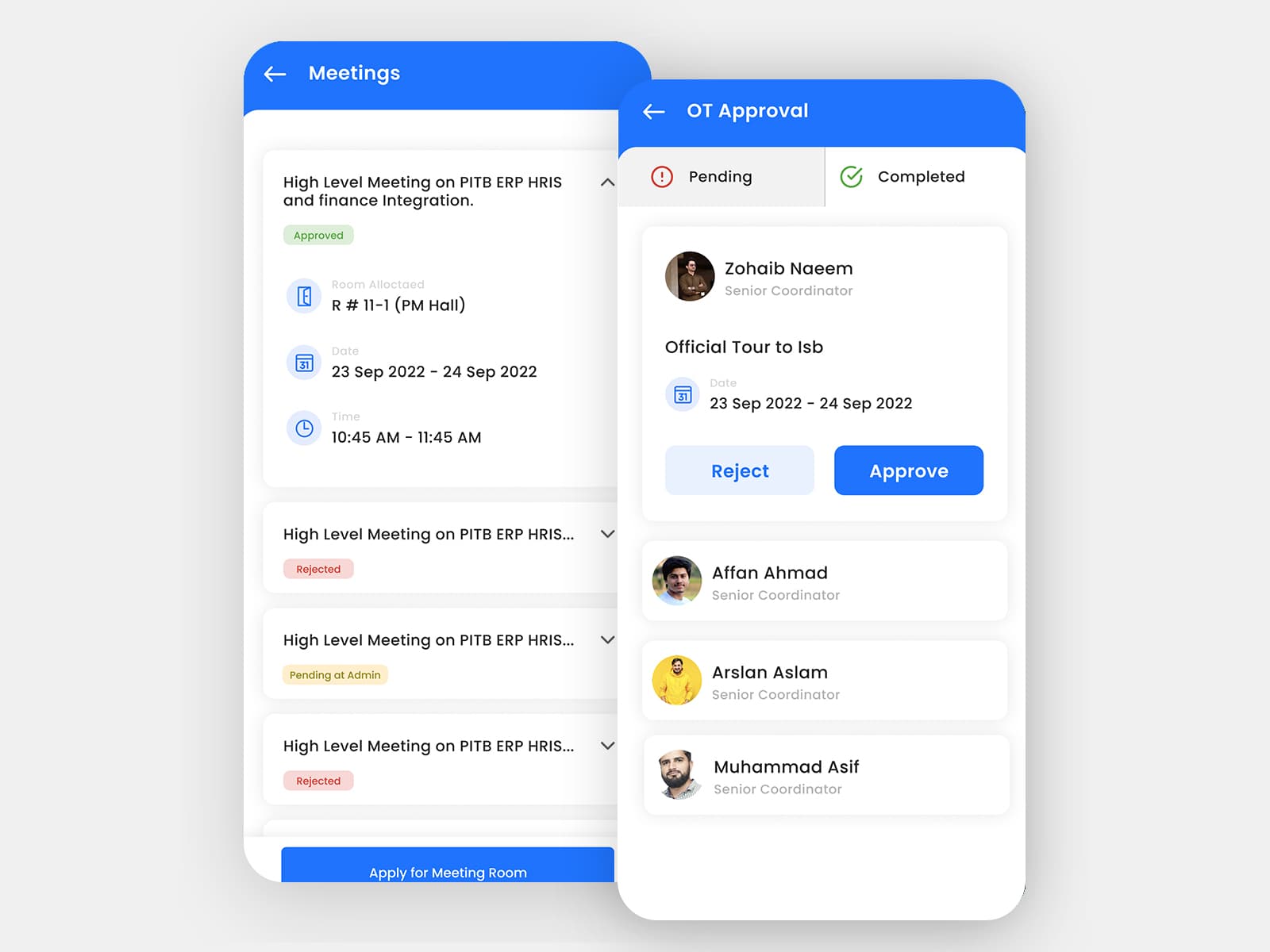
Book meeting room
Browse marketplace
Check announcements
When needed
Apply for leave
Request approval
Report lost item
Evening
Swipe to check-out
Offer carpool ride
View leave status
Help Buddy: community features that drove voluntary engagement
Carpooling
Share rides to work
Marketplace
Buy & sell among staff
Blood donors
Emergency donor match
Fundraising
Collective support
Lost & found
Recover lost items
An app that only handles admin tasks gets opened when you have to. One that helps you find a ride gets opened because you want to.
Key design decisions
Community platform, not just HR tool
Carpooling, marketplace, fundraising, blood donors, lost & found, all bundled under “Help Buddy.” An app that only handles admin tasks gets opened when you have to. One that helps you find a ride to work gets opened because you want to. The 98% check-in rate wasn’t just about the mandate.
Swipe to check-in
The simplest possible interaction for the most frequent action. A 10-second improvement per check-in × 3,500 employees × twice daily = 400+ hours saved monthly.
Role-based progressive disclosure
Employees see their personal dashboard. Supervisors see their team. HODs see department patterns. HR sees the operational layer. Same data, four different views calibrated to each role’s decision-making needs.
Impact
of daily check-ins through the app
leave requests processed in 2 years
Google Play downloads
meeting room bookings monthly
leave processing vs. old portal
active carpoolers
Reflection
Mandatory doesn’t mean adopted. Attendance was required, but making the app genuinely useful between check-ins was the real challenge. And internal tools deserve the same design rigor as public products: when you apply user-centered thinking to an internal app, the results speak for themselves.